Child and Adolescent Psychoanalytic Psychotherapy
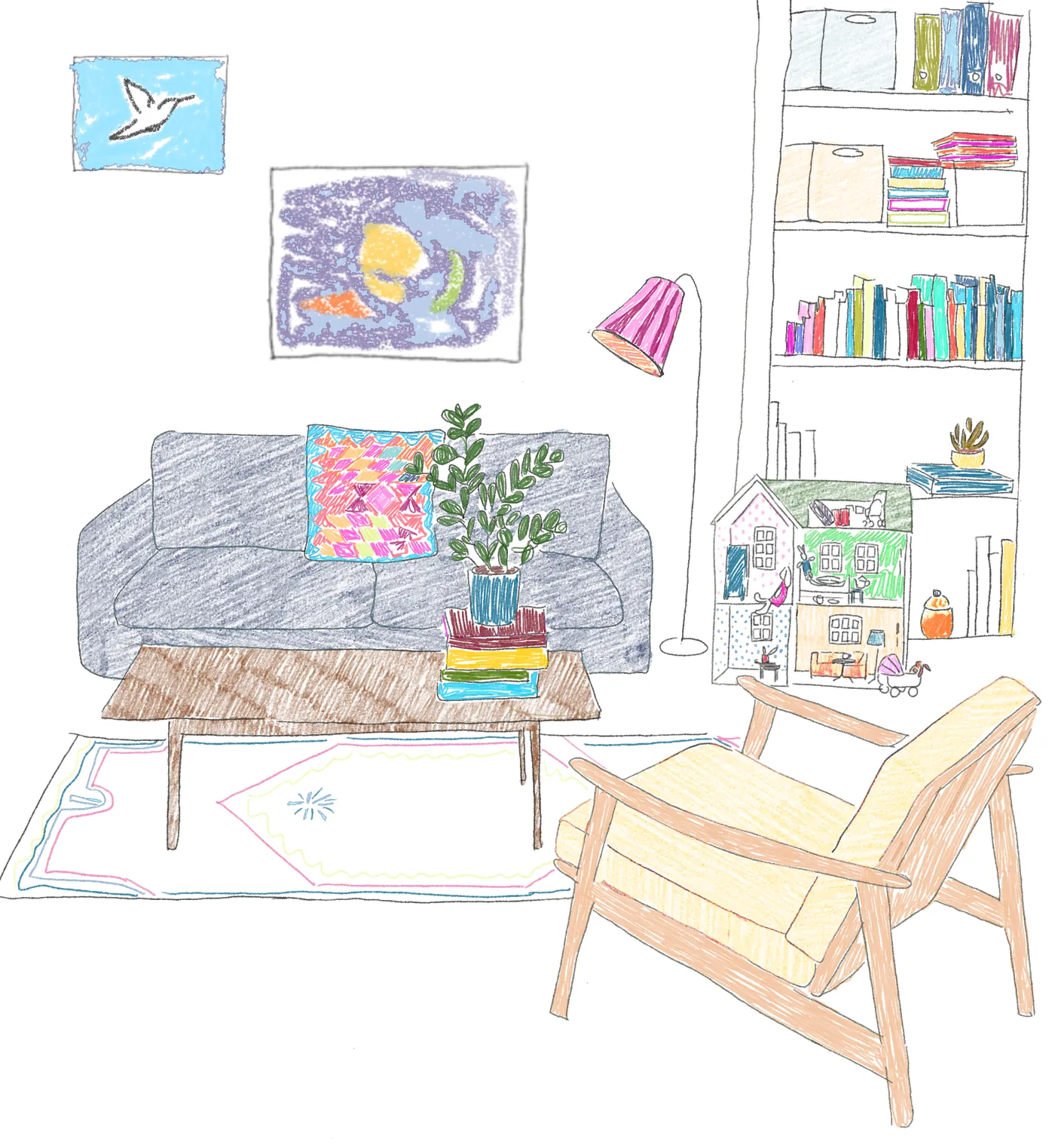
Working at the pace of each individual and each family
I am a Child and Adolescent Psychoanalytic Psychotherapist registered with the Association of Child Psychotherapists (ACP) in the UK. I work with children, teenagers, young adults and parents.
I am invested in providing an emotionally containing and safe space, using a creative and adaptable way of working that is tailored to each individual’s or family’s needs and pace.
I draw my knowledge and practice from psychoanalytic theory, developmental work, trauma-informed practice and neuroscience, and I consistently stay up to date with current research.
What is psychoanalytic psychotherapy?
Psychoanalytic psychotherapy is an inter-relational approach that provides patients with a safe space to explore and deepen their understanding of themselves and their experiences. It is not symptom-focused but instead considers the context of how and why these symptoms are presenting themselves.
This approach takes into account the interplay of internal and external life as well as various socio-cultural aspects that influence the individual. By applying meaning and context to emotional struggles or unconscious patterns, psychoanalytic psychotherapy allows feelings to become more bearable, providing relief and increasing emotional resilience.
This process of understanding and processing emotions takes place within a trusting therapeutic relationship, which is guided by the patient’s emotional pace.
Dr Evgenia Larsinou
Child and Adolescent Psychoanalytic Psychotherapist

I am registered with the Association of Child Psychotherapists (ACP) in the UK. I completed the IPCAPA doctoral clinical training as a Child and Adolescent Psychoanalytic Psychotherapist at the British Psychotherapy Foundation (BPF) and received my doctorate from University College London (UCL) and the Anna Freud Centre.
At the beginning of my studies, I completed my BSc in Psychology at the University of Sussex and my MSc in Psychoanalytic Developmental Psychology at UCL, in conjunction with the Anna Freud Centre.
I completed my doctoral research at UCL, focusing on maternal representations in mothers identified with Fabricated or Induced Illness (FII).
At the beginning of my career, I worked in nurseries and in primary and secondary schools. I gained experience working in various mental health services in London, including NHS Child and Adolescent Mental Health Services (CAMHS) and specialist mental health services, with different age groups (0–25 years) and complex presentations. Among other areas, I have extensive experience working with adolescents and an in-depth understanding of adolescent development. Currently, I work in private practice in Athens and Corinth, using a creative and integrative approach. I value working together with my patients towards their emotional development and prioritise helping them to develop their own authentic self.
- 2023 – presentChild and Adolescent Psychoanalytic PsychotherapistPrivate practiceLondon, United Kingdom · Athens and Corinth, Greece
- 2023 – 2026Child and Adolescent Psychoanalytic PsychotherapistOpen Door, mental health charity for adolescents and young adults aged 12–24London, United Kingdom
- 2023 – 2024Child and Adolescent Psychoanalytic PsychotherapistChild and Adolescent Mental Health Service (CAMHS), Central and North West NHS Foundation Trust, Harrow CAMHSLondon, United Kingdom
- 2019 – 2023Child and Adolescent Psychoanalytic Psychotherapist in doctoral trainingChild and Adolescent Mental Health Service (CAMHS), East London NHS Foundation Trust, Tower Hamlets CAMHSLondon, United Kingdom
Psychotherapy for adolescents and young adults
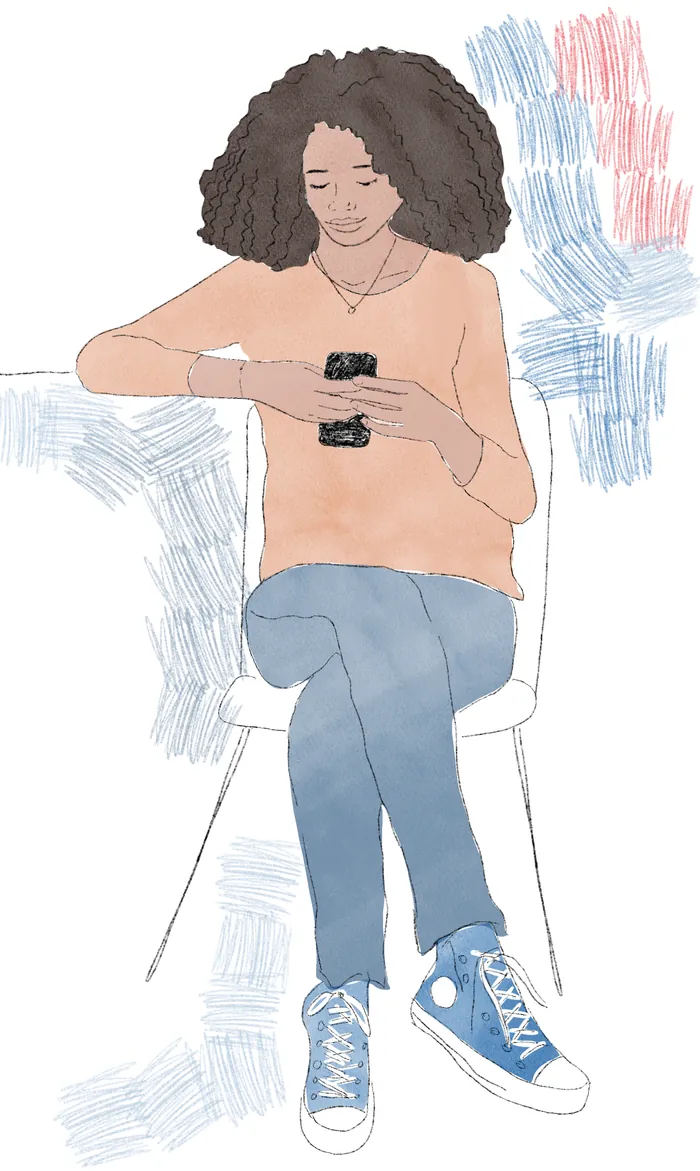
Teenagers and young people try to cope with the sudden demands coming from their home, school, college, work and society. It’s a developmental stage where a push and pull between childhood and adulthood takes place, as young people try to explore and find their own identity.
A safe, non-judgmental space for adolescents and young people is important in order to express and explore these feelings and thoughts. I listen very attentively to your experiences and try to make sense of them together, providing a thinking mind and helping you develop the capacity to observe yourself, in order to understand and develop your own unique self. Within this supportive context, confusing and difficult feelings can become clearer and more bearable.
Sessions are usually once weekly (although more than once weekly can be considered) and last 50 minutes, either remotely or in person.
Psychotherapy for children
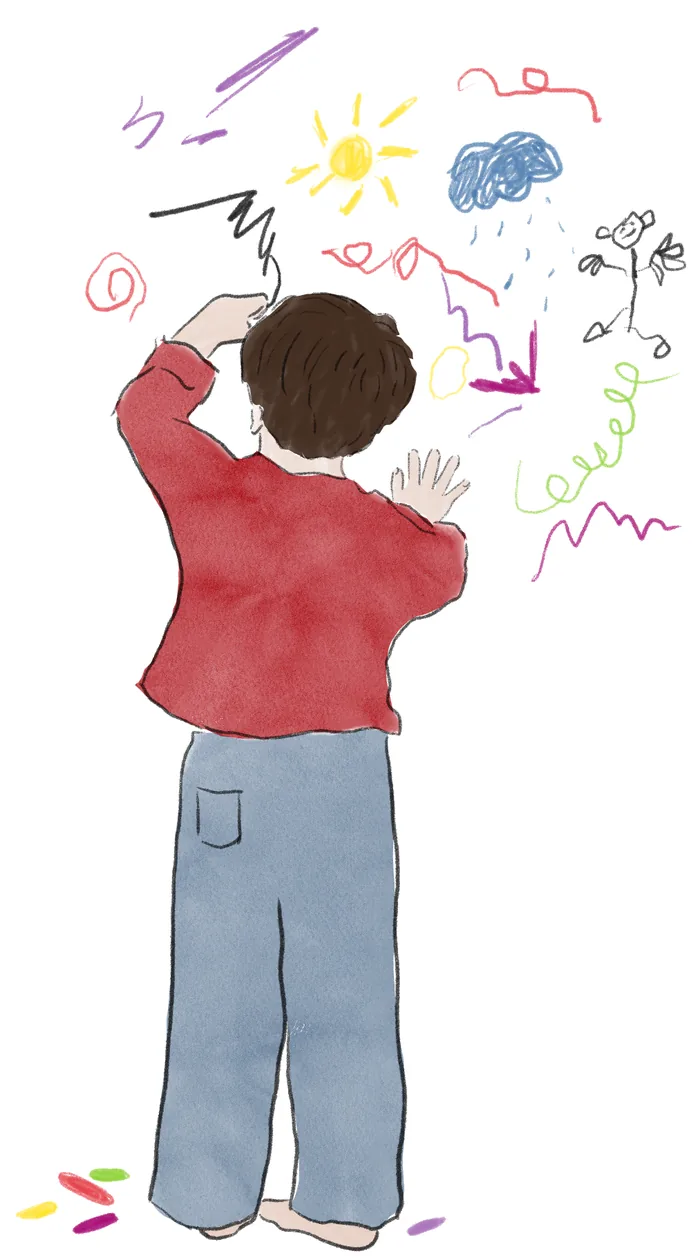
Child psychotherapy can help with feelings and worries that feel very BIG, as we know these can be scary and confusing. These worries can be about school, friendships or home. The feelings can be angry, sad, anxious and more.
Sometimes it’s hard for children to talk about these worries, so they show us instead by playing, drawing, or through their behaviour. In my sessions I listen and observe carefully, and we think about these big worries together. Playing and thinking together, we can begin to understand these feelings, and the worries get smaller and less confusing.
Parents will always be around throughout the journey, because it’s important we all work together.
I use a playful and child-led approach. Play is essentially a smart way that children use to process and work through their feelings, thoughts and experiences, to gain a sense of mastery over their feelings. In some children a capacity to play might not have developed yet; in this case, developing that capacity becomes part of the therapeutic work.
In therapy we think about: What is preoccupying the child? What are they communicating through play? What might the child not be aware of that is reflected in their behaviour? How do they relate to the people around them? Where are they in their development?
Play is the language of children. Through it they can show what they cannot yet put into words.
Parenting support
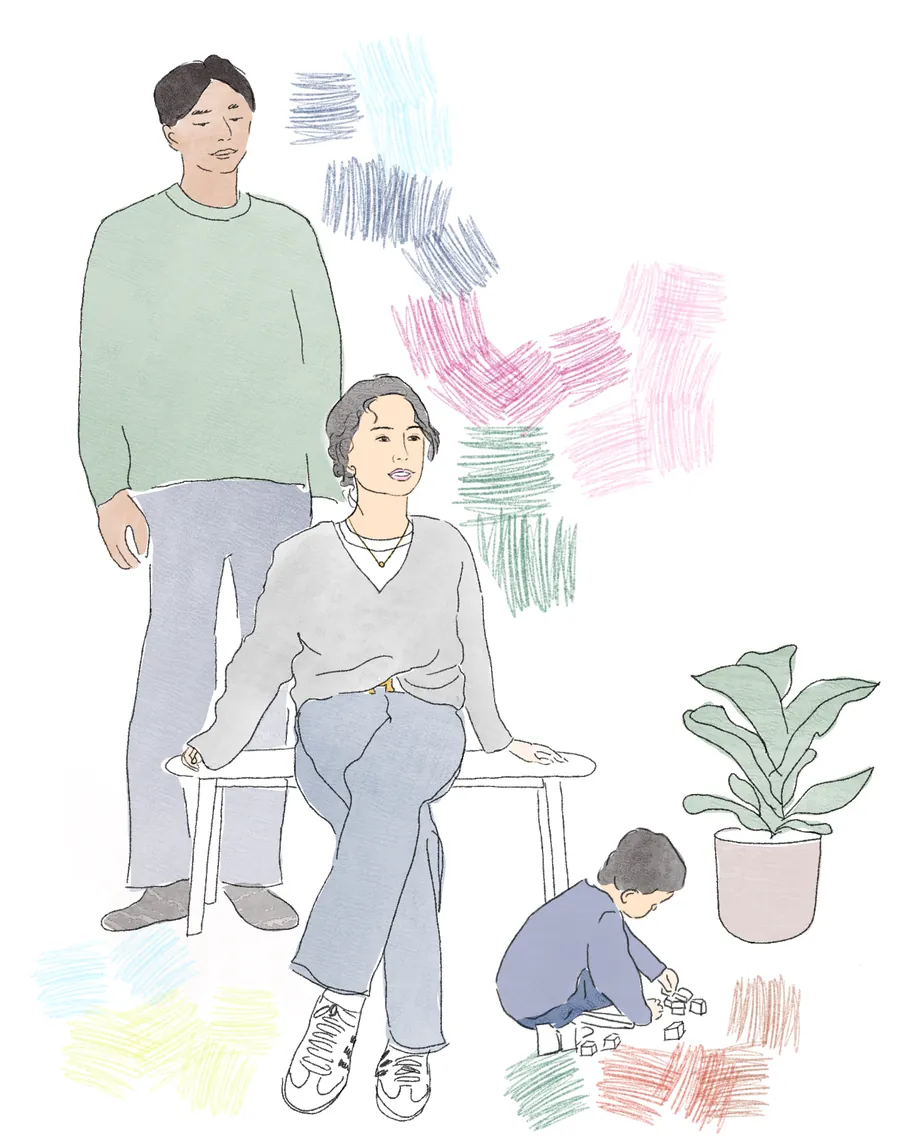
I work with parents of children at every developmental stage. Whether it’s a tantruming toddler or a withdrawn adolescent, I can provide parents with support and a developmental understanding of their child’s behaviour. I help you understand what your child may be trying to express through their behaviour and how to manage it, as well as what happens at each developmental stage.
Being a parent is a demanding job that doesn’t come with a manual. Children and young people can evoke powerful feelings, and parents might find themselves stuck in a vicious cycle with their child’s behaviour. Within a supportive and non-judgmental context, we learn together to observe both yourself and your child, identify your own emotional responses and increase your sensitivity to what your child may be communicating.
I also provide psychoeducational input about what is appropriate developmental behaviour (e.g. “is my adolescent depressed, or is this typical adolescent behaviour?”). Combining your expertise on your child with developmental knowledge, I aim to empower your confidence as a parent.
Parenting support can run alongside your child’s psychotherapy or be offered as a stand-alone service, when a child is not yet ready to start therapy. I typically recommend a minimum of 2–3 sessions of 50–60 minutes, in person or remotely. Where appropriate, we can also include joint sessions with parent and child.
Please see the full list of areas I work with:
Areas I work with
Some of the difficulties children, adolescents, young adults and parents may come to me with.
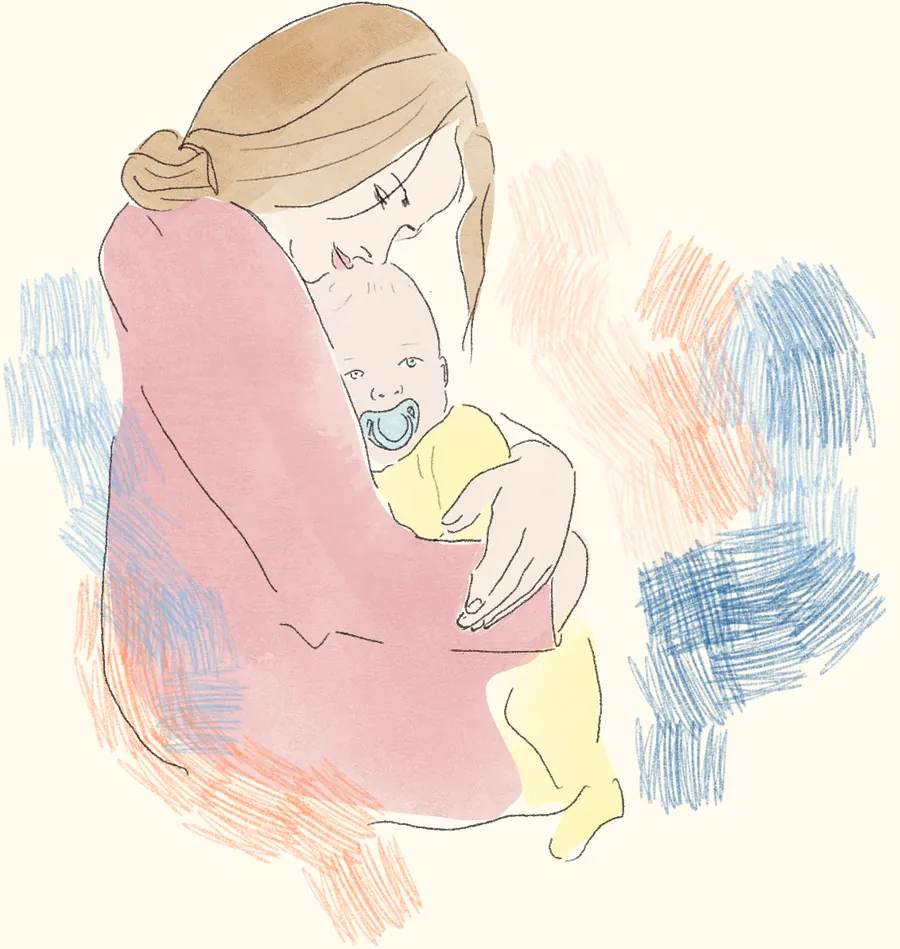
Babies & toddlers
- Adjusting to the birth of a sibling
- Attachment difficulties with one or both parents
- Boundaries and discipline
- Crying and difficulty settling
- Developmental regressions (when a child goes back to behaviours of a younger age, e.g. wanting a dummy or bottle again)
- Difficulties with play
- Eating difficulties
- Selective mutism (when a child does not speak in certain settings, e.g. at nursery)
- Separation anxiety
- Sleeping difficulties
- Starting nursery
- Tantrums and aggression
- Toilet training
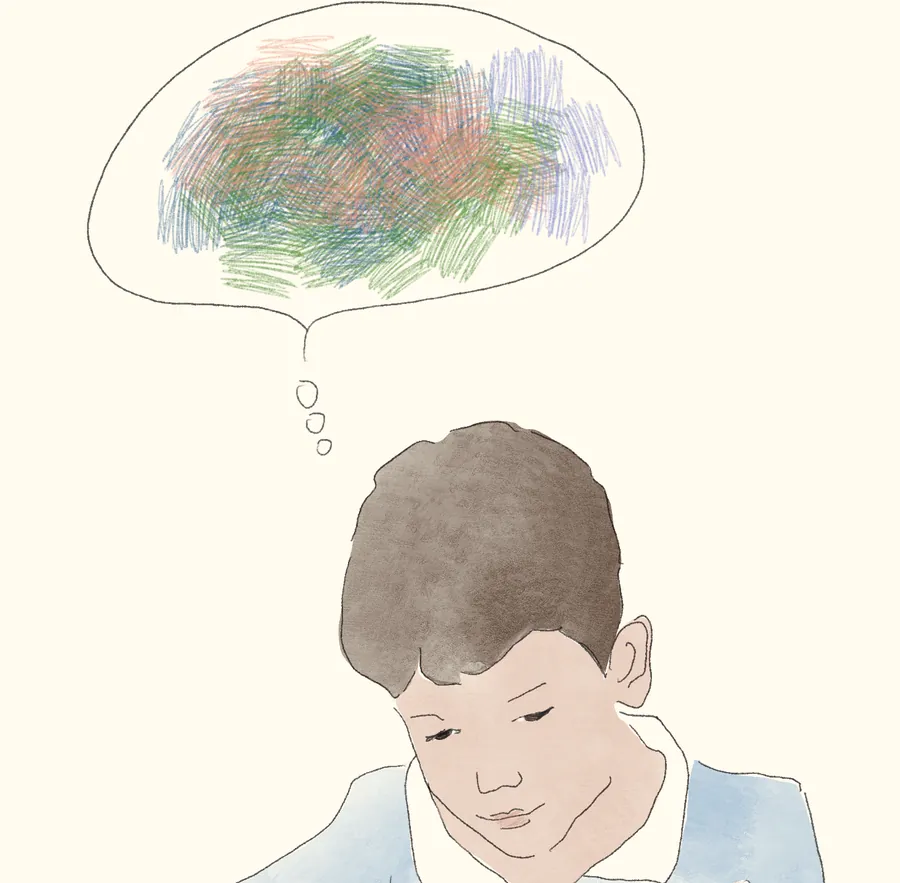
Children
- Anger management
- Anxiety
- Behavioural difficulties
- Developmental regressions (when a child goes back to behaviours of a younger age, e.g. bedwetting)
- Difficulty managing emotions
- Family dynamics
- Life transitions
- Low mood
- Low self-esteem
- Peer relationships
- Phobias
- School-related stress
- Screen time
- Social withdrawal
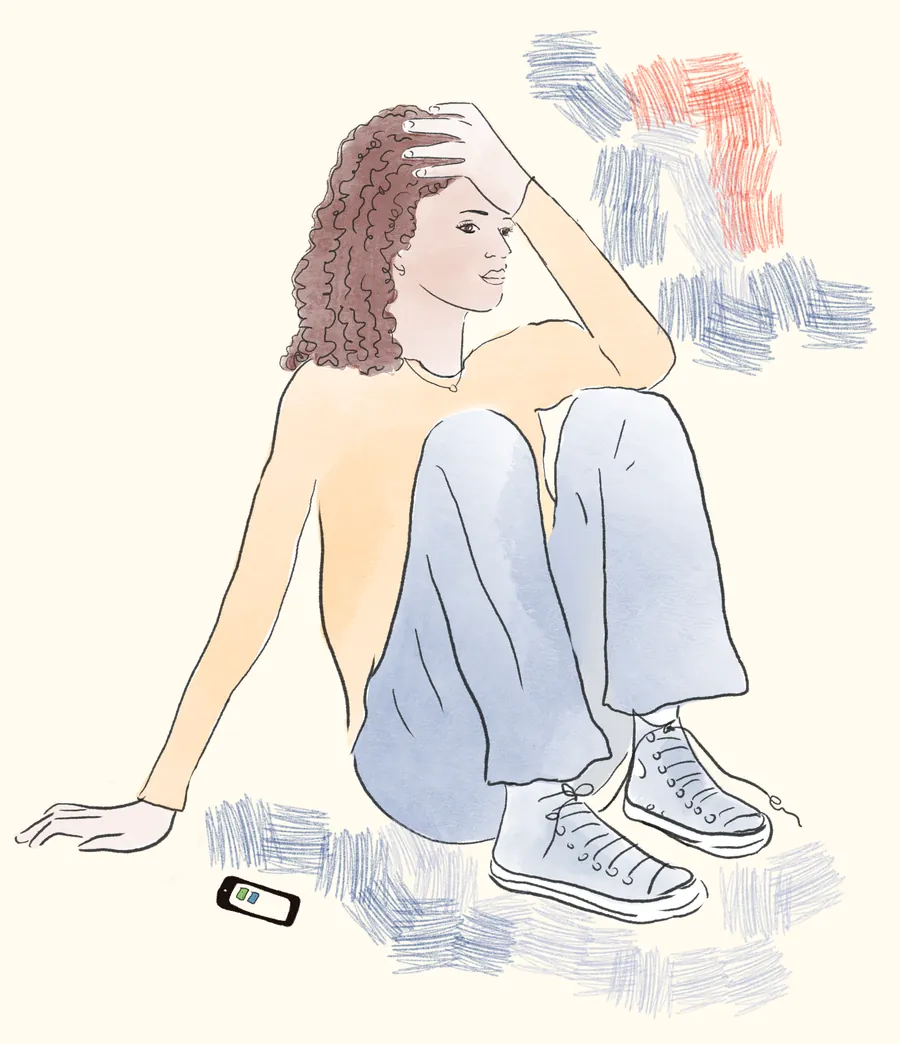
Adolescents & young adults
- Aggression or antisocial behaviour
- Anger issues
- Anxiety
- Body image issues
- Bullying
- Changes during adolescence
- Defiant behaviour
- Difficulty with transitions (e.g. changing schools, end of studies)
- Exam stress
- Feeling lonely or isolated
- Gender identity
- Low mood and depression
- Low self-esteem and confidence
- Obsessive or compulsive behaviours
- Panic attacks
- Relationship issues
- Self-harm and suicidal thoughts
- Setting boundaries with adolescents
- Sexuality
- Social media
- Social withdrawal
- Substance misuse
Supporting individuals navigating the unique challenges associated with adoption or foster care.
Divorce, family conflicts, grief and loss, family illness, moving home.
ADHD and autism, recognising the unique strengths and challenges of each individual.
Academic and social difficulties.
What I offer

Psychotherapy services designed around your unique needs.
The first sessions are assessment sessions. In these meetings we get to know each other, gain a more in-depth understanding of your concerns and their context, discuss your child’s developmental history, and you get a sense of the work. The aim is to decide together whether psychoanalytic psychotherapy is the right treatment for you or your child, and to think together about the way forward.
Short-term psychotherapy
(STPP – 28 sessions)Long-term psychotherapy
(a year or more, for deeper understanding and change)Intensive psychotherapy
(more than once weekly)Parenting support
Developmental consultations
(parents, nursery, school, paediatricians etc.)Assessments
*Sessions and consultations can be offered face to face or remotely.
Before we begin
What is the first step?
Send me an email with a brief summary of your concerns and your preferred method of contact. I will then offer you a time for a free introductory 20-minute phone call, where we will decide together whether to go ahead with an initial consultation.
What happens in the initial consultation?
In the initial consultation we gain a more in-depth understanding of your concerns and their context. This may include discussing developmental history, behaviour patterns or attachment styles. It lasts up to 60 minutes and can take place online or in person, although I recommend meeting in person in this initial phase.
How much will the sessions cost?
Consultation and session fees are discussed and agreed directly with me.
How much are parents involved in their child’s therapy?
Parental involvement is an integral part of the work, and the extent of it is decided according to the age and emotional development of the child or adolescent. I usually offer parenting support sessions on a fortnightly or monthly basis alongside the young person’s therapy, up to the age of 18. For children under 5, we often work with parent and child together.
How long will the therapy take?
This depends on the treatment plan we agree. Psychotherapy is generally a longer-term treatment that can last a year or more. I usually recommend a minimum of 30 sessions. Shorter-term work can be discussed where appropriate, for example developmental consultations for a specific issue.
How do I know whether psychotherapy is the right treatment?
Psychotherapy is a non-directive form of treatment that allows you to explore topics at your own pace, within a safe and trusting relationship. This is why I offer initial assessment sessions, where you can get a sense of the work and we can decide together whether it is the right treatment for you.
How long is a psychotherapy session?
Initial consultations last up to 60 minutes. Regular psychotherapy sessions are 50 minutes long.
Can I have sessions online?
Yes, when it suits your needs. However, I recommend that the initial phase of treatment (up to 4 sessions) takes place in person.
Let’s get in touch
32 Pilarinou, 20100 Corinth
Sessions in person at the practice or online (Zoom or phone).
- 1
Send me an email with a brief summary and your preferred method of contact.
- 2
Free 20-minute phone call, so I can hear your first concerns.
- 3
Initial consultation of up to 60 minutes, where we plan together the right support.